
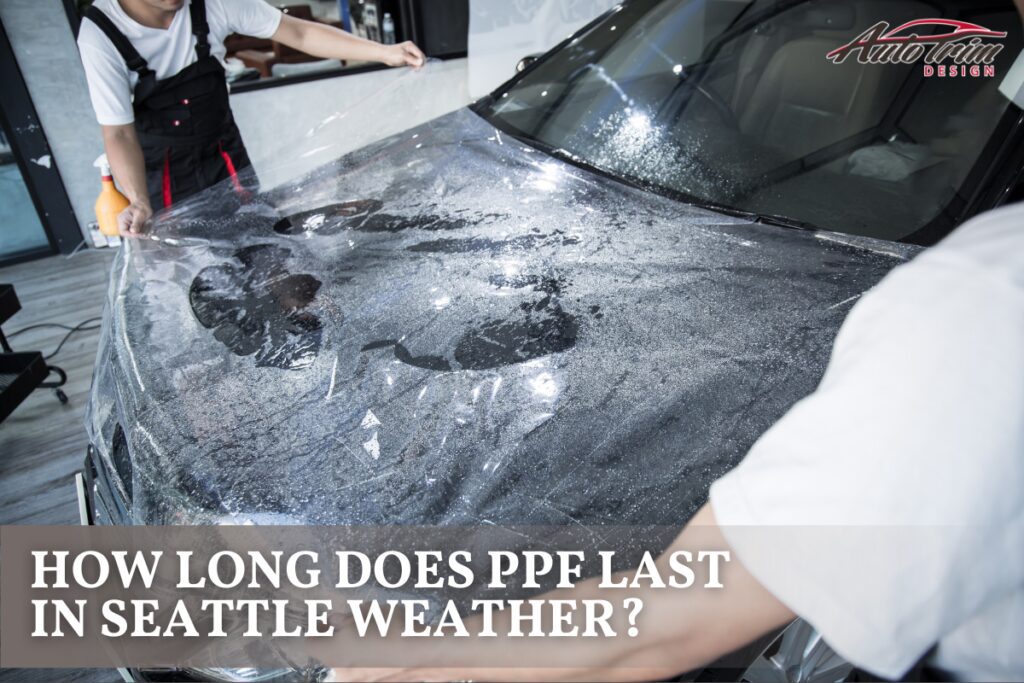
Seattle’s environment poses a particular challenge to car paint. The combination of frequent rain, damp roads, road grit, tree sap, pollen, and UV exposure even when it’s cloudy can cause significant wear and tear on your vehicle’s finish.
Because of this, one of the most common questions drivers ask Auto Trim Design is practical and direct:
How long does paint protection film (PPF) actually last in Seattle weather?
The realistic answer: with premium film, professional installation, and proper care, many manufacturers rate paint protection film for up to 7–10 years of service life—even in demanding Pacific Northwest conditions. Below, we’ll explain what affects PPF longevity, how Seattle’s climate plays a role, and what you can do to maximize your investment.
What Paint Protection Film Is And What It’s Designed To Do
Paint Protection Film is a clear, durable urethane film applied to painted vehicle surfaces to help protect against everyday damage. Unlike vinyl wraps, which are primarily cosmetic, PPF is engineered specifically for impact resistance and surface protection.
Modern PPF is designed to help:
- Absorb minor impacts from road debris and gravel
- Reduce paint damage from light scratches and swirl marks
- Resist staining from bugs, bird droppings, and tree sap
- Help reduce UV-related fading and oxidation over time
Many premium films also feature self-healing topcoats, which are designed to reduce the appearance of light surface scratches when exposed to heat, such as sunlight or warm water, based on manufacturer testing.
At Auto Trim Design, we install professional-grade PPF systems commonly used across the automotive aftermarket, including on luxury vehicles, trucks, and electric vehicles. This approach reflects industry best practices—not experimental or cosmetic-only solutions.
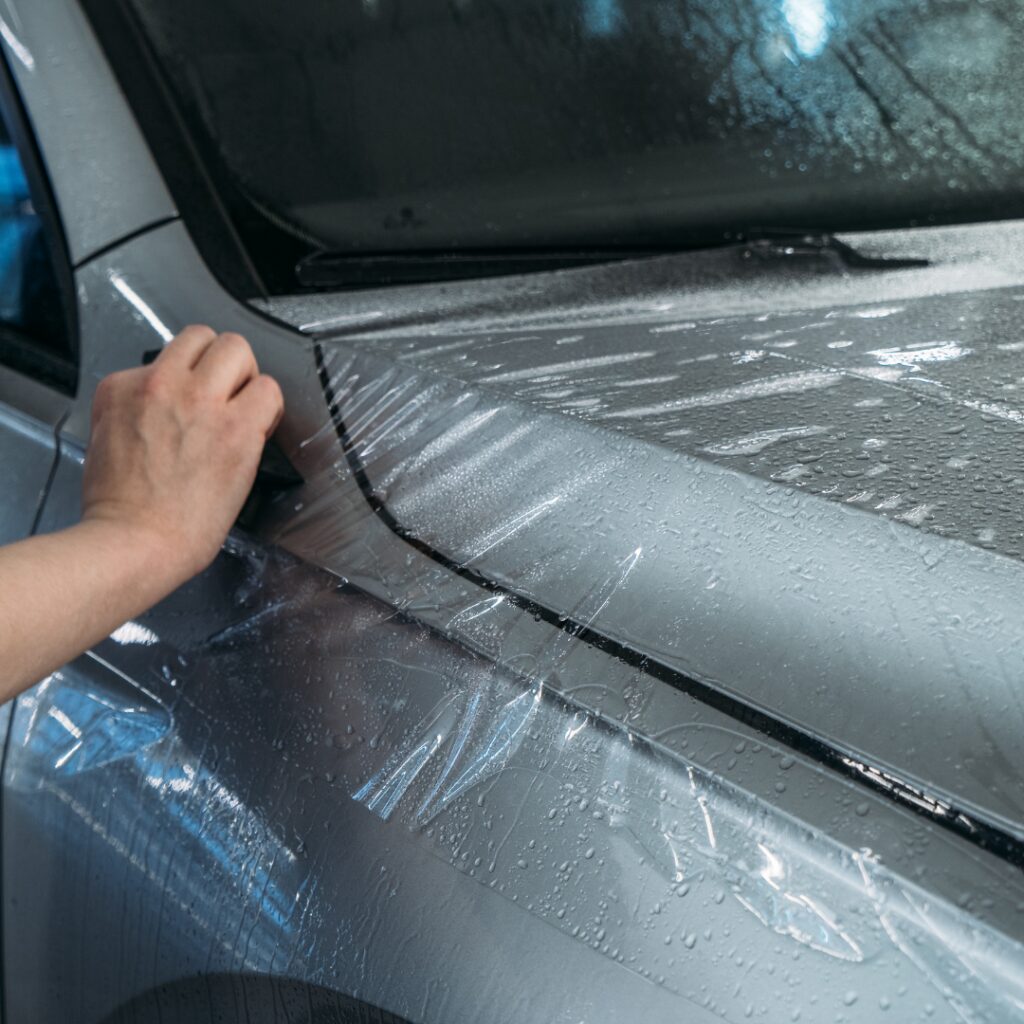
How Long Does Paint Protection Film Typically Last?
Under normal driving and maintenance conditions, paint protection film is typically rated for:
- 5–7 years for mid-grade films
- Up to 7–10 years for premium films with advanced topcoats
Actual lifespan depends on climate, usage, and installation quality. In moisture-heavy environments like Seattle, film selection and installation technique play a larger role than they might in drier regions.
This is why Auto Trim Design focuses on premium materials and controlled installation processes that align with manufacturer guidelines.
How Seattle Weather Impacts PPF Longevity
Rain, Moisture, And Road Spray
Seattle’s consistent moisture exposure means vehicles are frequently subjected to wet road debris, fine grit, and sand. Over time, these contaminants can compromise poorly installed film edges.
Based on real-world installation experience, proper surface preparation, edge wrapping where appropriate, and sealed installation techniques are critical for long-term PPF performance in the Pacific Northwest.
UV Exposure Even On Cloudy Days
Although Seattle is known for overcast skies, UV radiation still penetrates cloud cover. Over time, UV exposure contributes to paint oxidation and fading.
Modern PPF incorporates UV inhibitors designed to help reduce paint oxidation and discoloration, particularly when compared to unprotected paint. Premium films generally outperform lower-grade options in long-term clarity retention.
Tree Sap, Pollen, And Organic Fallout
Tree sap, pollen, and bird droppings are common paint hazards in Seattle neighborhoods. These organic contaminants can permanently etch clear coat if left untreated.
PPF acts as a sacrificial barrier, helping protect factory paint from direct exposure. Industry organizations such as SEMA frequently highlight paint protection film as an effective solution for preserving factory finishes in real-world driving environments (Specialty Equipment Market Association (SEMA).
Factors That Determine How Long Your PPF Will Last
From years of working with retail customers, dealerships, and fleet operators, Auto Trim Design has seen that PPF longevity depends on several key factors:
- Film Quality: Premium films are designed to resist discoloration and wear longer
- Installation Technique: Proper stretching, alignment, and edge treatment matter
- Driving Habits: Frequent highway driving increases exposure to rock chips
- Parking Conditions: Garage-kept vehicles experience less environmental stress
- Maintenance Practices: Regular washing helps prevent contaminant buildup
No two vehicles experience identical conditions, which is why realistic expectations matter.
How To Extend The Life Of Your Paint Protection Film
To help maximize the service life of PPF in Seattle conditions, best practices include:
- Washing the vehicle regularly to remove road grime and organic debris
- Avoiding abrasive brushes and harsh chemicals
- Using hand washing or touchless wash systems when possible
- Removing bird droppings and sap promptly
- When compatible with the specific film, considering a ceramic coating applied over PPF to enhance hydrophobic properties and simplify cleaning
Auto Trim Design can also inspect existing PPF and recommend maintenance or partial refresh options before visible issues develop.
Signs It May Be Time To Replace Or Refresh PPF
Even premium paint protection film will eventually show wear. Common indicators include:
- Yellowing or hazing of the film
- Reduced gloss or diminished self-healing response
- Edge lifting or contamination beneath the film
- Noticeable wear in high-impact areas
In many cases, partial replacements—such as refreshing a hood or front bumper—can restore protection without requiring a full vehicle reinstallation.
Is PPF Worth It For Seattle Drivers?
For many Seattle-area drivers, PPF is considered a practical long-term investment.
Compared to repainting panels, paint protection film is:
- Less invasive and fully removable
- Often more cost-effective over time
- Commonly cited by dealers and appraisers as a way to help maintain exterior condition, which can positively influence resale or lease return inspections
Automotive publications such as Car and Driver regularly note paint protection film as an effective way to preserve exterior condition and ownership value over time (Car and Driver).
PPF is especially popular among:
- Daily commuters
- Owners of new or high-value vehicles
- Truck owners exposed to jobsite debris
- Electric vehicle owners with highly visible paint finishes
Why Professional Installation Matters More Than Film Alone
One of the most common issues seen with prematurely failing PPF is improper installation, not film quality.
Based on Auto Trim Design’s experience installing PPF across retail, dealership, and fleet vehicles, professional installation is the foundation of long-lasting results, particularly in wet and debris-heavy environments.
Improper installation can lead to:
- Premature lifting
- Trapped contaminants
- Visible seams or stretch marks
- Reduced service life
Controlled environments, trained technicians, and adherence to manufacturer guidelines are essential for consistent outcomes.
Final Thoughts: Setting Realistic Expectations For PPF In Seattle
So, how long does PPF last in Seattle weather? With premium materials, professional installation, and routine care, many drivers can reasonably expect up to 7–10 years of effective paint protection.
Paint Protection Film is not about perfection—it’s about preserving your factory finish and reducing long-term paint damage in real-world driving conditions.
If you’re considering PPF or want an expert evaluation of your existing protection, Auto Trim Design is here to help.